The Gratitude Gap is the space between knowing gratitude matters and being able to practice it consistently, especially important when you’re under pressure, facing uncertainty, or managing competing demands. Why? So that YOU benefit from the scientifically proven, mental, and emotional benefits of gratitude. We’ll start you off by exploring last year’s posts, which offer practical, real-world perspectives on why gratitude breaks down and how you can strengthen it to build trust, clarity, and better outcomes. strengthen it to build trust, clarity, and better outcomes.
When Gratitude Begins Under Pressure
You may assume gratitude is best and only for when things are going well. This post challenges that assumption, showing how gratitude can coexist with pain, stress, and uncertainty. Rather than denying reality, gratitude can help you stay grounded and clear-headed when circumstances are hard, allowing you to respond rather than react.
Gratitude and Trust: Why You Need Both
Trust and gratitude are often discussed separately, yet you experience their impact faster when they are together. This post shows how gratitude accelerates trust and how trust makes gratitude feel genuine. When both are present, people respond faster, with greater commitment and higher-quality work.
Turning Gratitude into Daily Practice
You might value gratitude and still struggle to make it visible day to day. This post offers practical, repeatable ways you can build gratitude into meetings, communication, feedback, and culture. It helps you close the gap between intention and action, using small behaviors that make a real difference.
Making Gratitude Fit into Your Life
When you’re busy or overwhelmed, gratitude can feel like one more thing on your list. This post reframes gratitude as something you can practice in moments that already exist every day, through noticing, movement, reflection, or connection. You don’t need perfection; you need consistency.
A Healthier Way to Sustain Energy and Motivation
You may rely on stress, urgency, or quick dopamine hits to keep going. This post explores the science of how gratitude activates the same feel-good brain chemistry, without the long-term costs of burnout or addiction. Gratitude becomes a sustainable way for you to support focus, resilience, and well-being.
Why Gratitude Disappears on Teams
When I asked a room of 60 project managers, “What gets in the way of gratitude in workplaces and projects?” the Post-it notes came pouring in, some from individuals, others from small groups. If gratitude feels absent where you work, it’s rarely because people don’t care. This post names the conditions that push gratitude aside: fear, overload, lack of trust, and power dynamics. By recognizing these barriers, you can start addressing what’s actually getting in the way.
What Consistent Gratitude Looks Like in Action
You’ve likely seen cultures shift because of one person. This post shows how steady, grounded gratitude, especially during conflict, can change the tone of an entire team. It’s not about being cheerful; it’s about how you show up, even when things are uncomfortable.
When Gratitude Turns Harmful and Dark
Not all gratitude is healthy. This post helps you recognize when gratitude becomes forced, transactional, or manipulative. There’s an ethical checklist to use as a way to pause and ask whether gratitude, yours or someone else’s, is authentic, voluntary, and respectful.
Gratitude and Your Leadership Brand
Whether you intend it or not, you are always communicating who you are. This post connects gratitude to clarity and alignment, showing how gratitude can reduce fear-based behavior and help you act more consistently with the leader you want to be.
Closing: Why This Matters to You
Gratitude is not a soft skill. We all have a gratitude starting point, and it can be strengthened. Gratitude directly affects how you think, relate, decide, and lead. Gratitude Gap closes when you understand why gratitude breaks down and learn to practice it in realistic, human ways. When you do, you create environments that are more trusting, effective, and sustainable for you and the people around you.
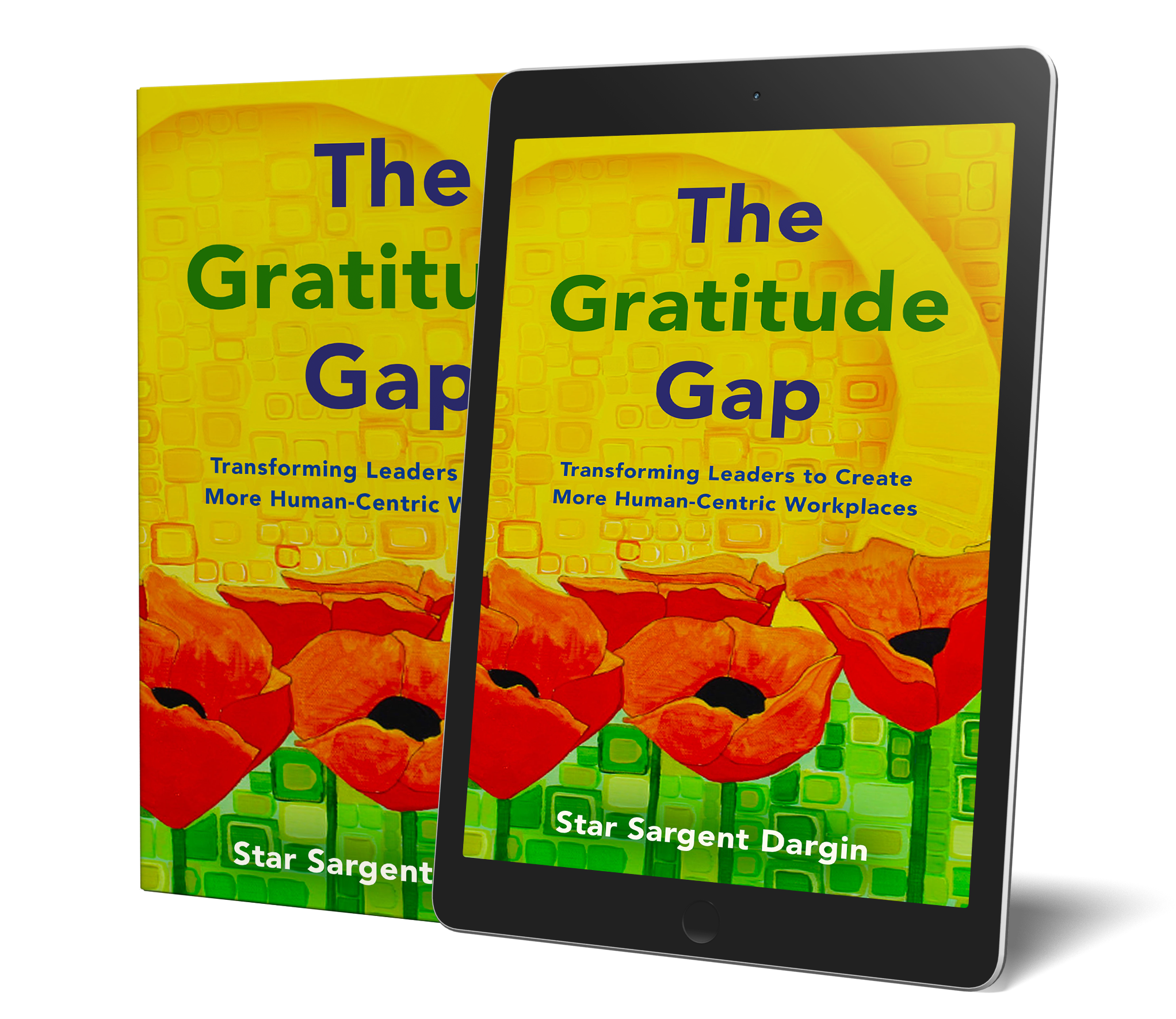
Gratitude is a foundational strategic leadership skill. If you’re curious to go deeper, my book The Gratitude Gap: Transforming Leaders to Create More Human-Centric Workplaces explores these challenges and offers practical ways you can close the gap in your own leadership and daily life.
What action will you commit to taking to strengthen your gratitude?