Thanksgiving is the month of gratitude in the USA, and I am hesitant to join that bandwagon.
Why? It’s complicated.
Gratitude is complicated. It’s personal. And it means different things to different people over time, across countries, cultures, generations, and even within families.
More importantly, gratitude belongs to all of us year-round, especially leaders and workplaces. It shouldn’t take a holiday, a turkey, or a November reminder to practice it.
Ask twenty people to define gratitude, and you’ll get twenty answers. Is it a feeling? A belief? A behavior? Is it a virtue? A leadership trait? A cultural practice?
Yes, no, and it depends.
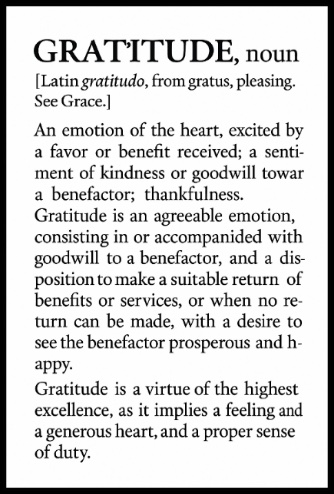
The definition has evolved over the centuries, and even today’s popular dictionaries define gratitude differently and vastly differently from the 1828 dictionary definition shown below. In earlier centuries, gratitude was more about duty, reciprocity, and moral obligation to God, lords, and benefactors.
Gratitude has been called all of those things, and more. It has been a part of every major religion, ancient cultures, and modern psychological theory. But because it’s so universal, it’s also hard to pin down.
And in the workplace? It gets even messier.
Sometimes gratitude shows up as recognition. Other times, it shows up as a gesture of appreciation or praise. Sometimes it’s completely absent, disguised by compensation, titles, or passive-aggressive thank-yous.
Add cultural, generational, and personality differences, and the confusion grows fast. What feels like gratitude to one person might feel forced, fake, or even offensive to another. Examples of gratitude gone wrong include sarcastic praise, thanking the almighty “we,” or offering gratitude when it is undeserved.
Generational differences can matter, too. Boomers may see gratitude as a formal thank-you, while Gen Z might expect more ongoing acknowledgment and reciprocity.
Cultural differences may offend too: too many thank-yous, too few, or an inappropriate gesture that signals the exact opposite of the intended appreciation can make it messy.
Leaders have asked me:
“Why should I thank people for doing their job? That’s what they’re paid for.”
Sadly, too many times, people have told me:
“I left my last role because I didn’t feel appreciated at all.” Many studies show the main reason people leave a job is feeling unappreciated.
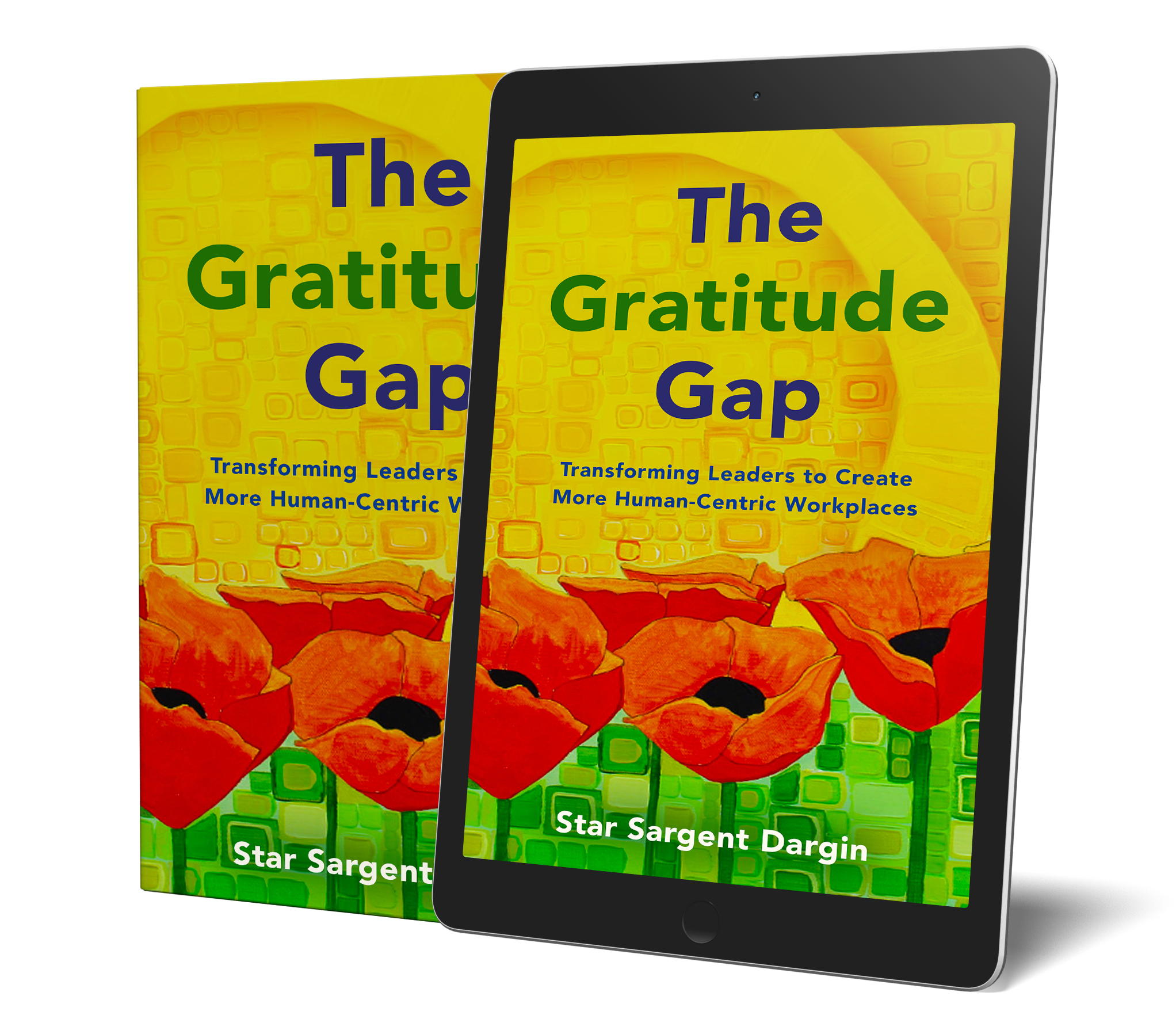
That is the result of having a gratitude gap.
Some organizations try to solve the problem by mandating gratitude: daily emails, “thank you” quotas, or awkward icebreakers. Most of these backfire because they come off as performative rather than authentic.
And now we have AI.
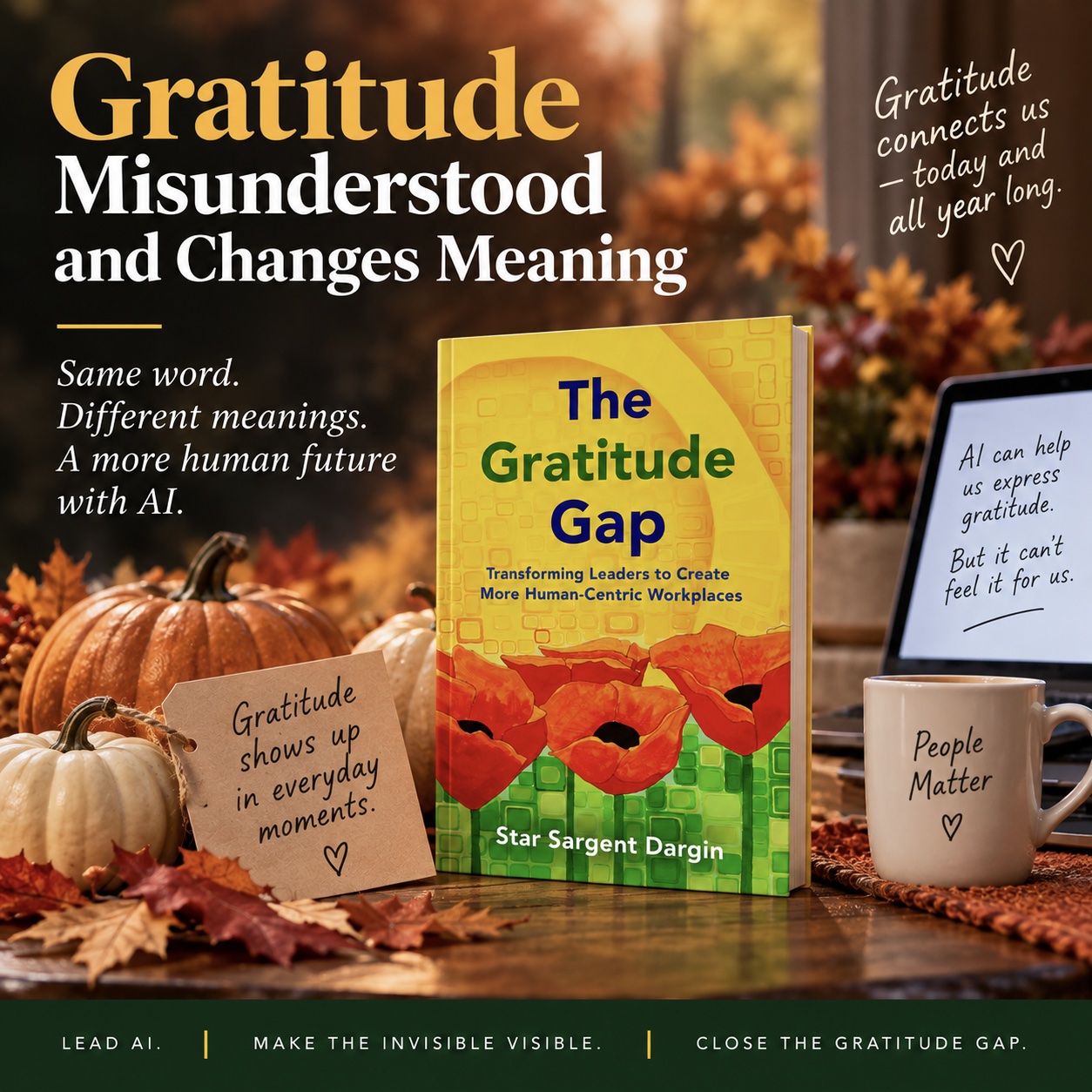
AI can make gratitude easier and potentially make it worse. It can help us remember an important milestone or find the right words to express appreciation. But it can also generate a perfectly polished thank-you that the leader barely thought about, and the recipient barely feels.
Gratitude that isn’t felt doesn’t count. And there can be a huge gap between what is felt and what counts.
As AI becomes more integrated into how we communicate and lead, the challenge isn’t to use AI to express more gratitude. It’s to make sure gratitude remains human, specific, deserved, and real. Lead AI. Don’t let AI lead.
If you want gratitude to work in your organization, it needs to be:
- Visible — authentically spoken, shown, or felt
- Personalized — not templated
- Measured and intentional — like any good leadership practice
- Integrated and incorporated — part of processes, structures, visions, and strategies
Which brings me back to Thanksgiving.
Thanksgiving’s emphasis on gratitude isn’t a bad bandwagon if we use it as a reminder rather than a once-a-year obligation.
Regardless of your beliefs or how you define gratitude, practice it at work and at home. Gratitude is contagious. What begins with Thanksgiving can spill over into December, the new year, our workplaces, our families, and perhaps even the world.
What I’m curious about is this: How do you define gratitude?
How will you practice and celebrate it this Thanksgiving and beyond?