Lurking underneath, if you look hard enough, it’s always there, gratitude. Gratitude is the invisible connector and life enricher.
Last month, I finished reading two memoirs that surprised me when I realized they shared a common theme: breaking generational cycles of poverty through improving children’s education. Different countries. Different cultures. Same deep human questions. And they both had gratitude as a foundation and used it differently. One intentional, and culturally dangerous, one unintentional, and as a salve to anger.
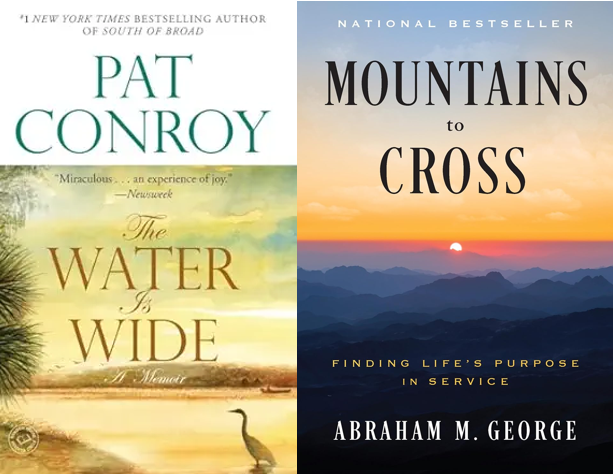
One book was randomly gifted to me. While visiting the Pat Conroy Literary Center in Beaufort, I had a conversation with the docent, and we shared our mutual love of reading and teaching. She recommended the book, The Water Is Wide. I took a photo of the cover so I could read it later online. As we were leaving, she ran after me and handed me her personal copy, which she had just finished reading that morning!
I didn’t know anything about Pat Conroy or his work. I was mesmerized by his writing and by the beautiful, raw, and honest memoir of the year he spent teaching as an idealistic young white man on a predominantly poor Black island off the coast of South Carolina. The children on Yamacraw Island were poor, neglected by systems, and deeply affected by racism. Yet Conroy did not portray them as people in need of pity. He showed their intelligence, humor, pride, creativity, and humanity. Respect came first.
At the same time, I finished reading Mountains to Cross by Abraham George, a 2026 book I was chosen for to review. Having worked with engineers from India in tech since 1981, I found his life story fascinating because it filled in some gaps in my understanding of the culture, caste system, and the journey into the U.S. tech world. What stayed with me most was the influence of his mother, his humility, humor, gratitude, and remarkable commitment to giving back. I was moved to tears by the school he created to break the cycle of generational poverty and develop future leaders committed to social service.
Both books oozed gratitude, and it wasn’t always obvious. What also surprised me was the dangers of misusing it.
In Mountains to Cross, Abraham George writes: “Acknowledgment or appreciation is preferable to gratitude, which sometimes is mistaken for subservience.”
That surprised me. As someone who writes and speaks about gratitude, I immediately understood what he meant and saw this as another example of gratitude being misunderstood culturally.
Pat Conroy’s gratitude is hidden beneath suffering. It is often found alongside pain, loss, injustice, and brokenness. What I saw in Pat’s work was lots of gratitude, which was something that was discovered, not declared.
Both authors were trying to interrupt generational patterns: poverty, racism, caste, limiting beliefs, and systems that quietly tell people who they are allowed to become through education.
Neither book treated gratitude as passive. Gratitude became responsibility. Service. Education. Opportunity. Human obligation.
That aligns with what I believe. Gratitude is not weakness or performative politeness. Gratitude is sometimes invisible and sometimes used inappropriately. Real gratitude makes us more human-centric, more courageous, and more willing to help others cross their own mountains.
Where do you notice gratitude being invisible and how it’s used?
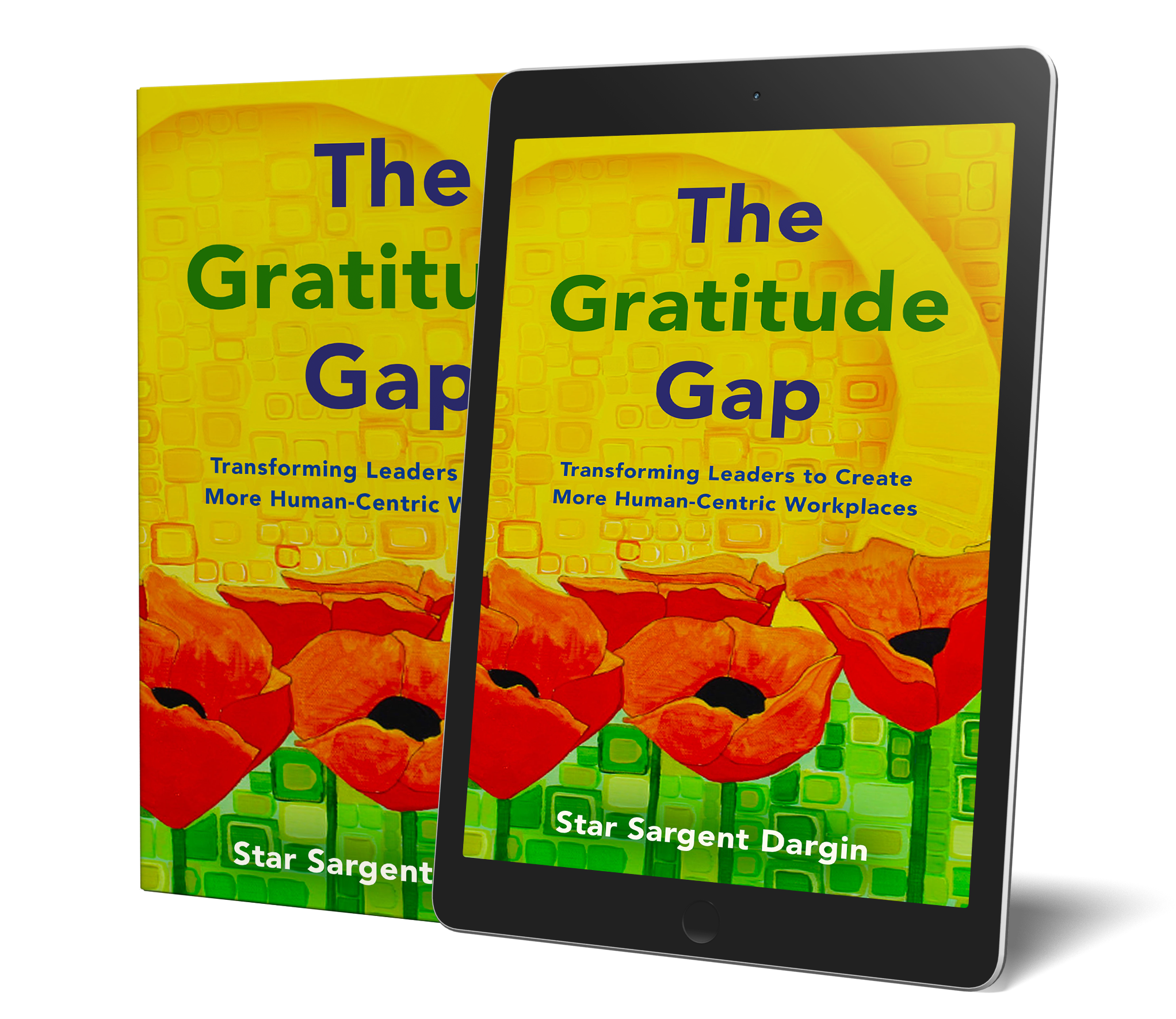
If you want to learn more how to make Gratitude Visible and Close the Gap, check out my book, The Gratitude Gap
References:
- Book: Mountains to Cross: Finding Life’s Purpose in Service, by Abraham M. George
- Book: The Water is Wide, by Pat Conroy
- School Created: Charity for Children in India | Boarding School and Education Charity
- Netflix Documentary: Daughters of Destiny (based on the Mountains to Cross)